
7 Best Solar Generator Vs Battery of 2026 – Expert Picks
When the grid goes down or you head off-grid, power storage choices matter. Solar generators and battery systems each have their strengths, and this roundup covers the top models for different needs.
 By Solar & Safety Desk
Updated November 15, 2026
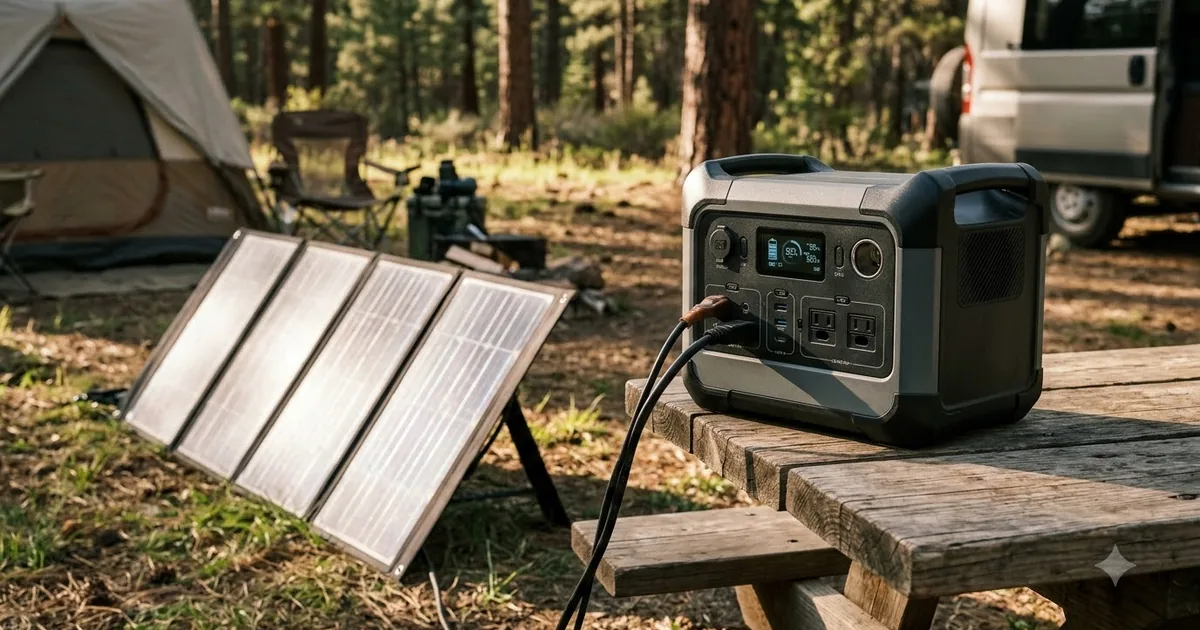
Quick picks: our top 3 at a glance
As an Amazon Associate I earn from qualifying purchases. Prices and availability change.Choosing between a solar generator and a battery system can be challenging, especially with the variety of options available in 2026. Whether you need reliable backup power for your home, want to go off-grid, or are planning outdoor adventures, understanding the differences between these two power sources is crucial. In this guide, we compare 7 leading models from top brands like ZeroKor, Jackery, Dabbsson and more to help you decide which solution fits your needs best. For more insights, check out our Solar Generators & Panels category.
We’ve thoroughly evaluated each product based on battery capacity, output power, recharging speed, portability, and overall value. Our goal is to provide you with a clear, data-driven comparison so you can make an informed purchase. Let’s dive into the top picks for November 2026.
| Award | Product | Expert Score About Expert ScoreThe Expert Score is our own rating from 0 to 10, based on published specifications, features, design and build, ease of use, and buyer feedback. It reflects independent research and is never influenced by manufacturers, retailers, or affiliate commissions. | |
|---|---|---|---|
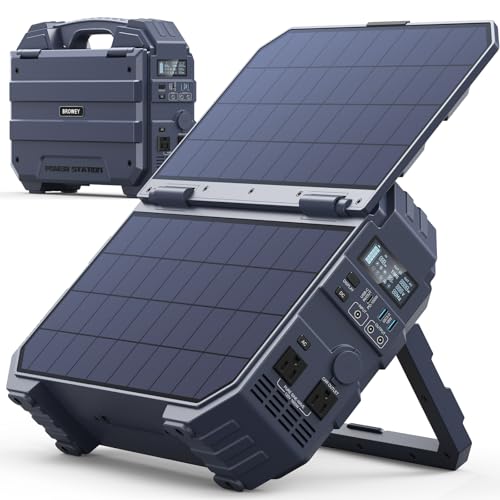 BROWEY S1600 1024Wh Portable Power Station |
8.0/10 | Buy | |
| Best Premium |
 EF ECOFLOW DELTA 3 Classic 1024Wh Power Station |
9.1/10 | Buy |
| Best Budget |
 BLAVOR DS-S1600 1024Wh Solar Generator |
9.1/10 | Buy |
 Jackery Explorer 1000 v2 Portable Power Station |
8.9/10 | Buy | |
| Best Value |
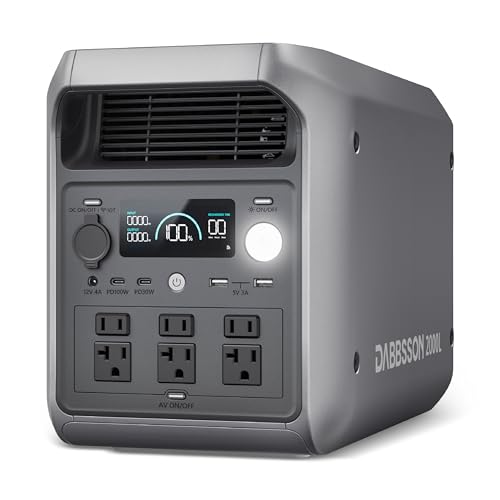 Dabbsson 2000L 2048Wh LiFePO4 Power Station |
8.8/10 | Buy |
| Best Overall |
 ZeroKor 300W Portable Power Station with 60W Solar |
9.1/10 | Buy |
 ENGINSTAR 300W Power Station with 60W Solar Panel |
8.1/10 | Buy |
BROWEY S1600 1024Wh Portable Power Station
This power station stands out with its built-in foldable solar panel, making it a convenient option for outdoor charging without extra gear. The 1600W continuous output and LiFePO4 battery suit users who need reliable backup for tools, appliances, or camping essentials.
Pros
- Integrated foldable solar panel for self-contained charging
- LiFePO4 battery offers longer cycle life and safety
- Multiple ports and fast charging options
Cons
- Built-in solar panel output may be lower than rated due to real-world conditions
- Only 1024Wh capacity may limit runtime for high-draw devices
EF ECOFLOW DELTA 3 Classic 1024Wh Power Station
The EF ECOFLOW DELTA 3 Classic is a portable power station with 1024Wh capacity and 1800W AC output, designed for outdoor, kitchen, living room, or office use. It features LiFePO4 battery, 10ms UPS, and 30 dB quiet operation, plus smart app control. This unit is compact and portable, with a dual-sided design and adjustable bracket for solar panel setup.
Pros
- LiFePO4 battery for safety and reliability
- 10ms UPS for seamless backup power
- 25% solar conversion efficiency with included 220W panel
- Smart app control for remote monitoring
- Quiet operation at 30 dB
Cons
- Only 8 reviews available, limiting buyer feedback depth
BLAVOR DS-S1600 1024Wh Solar Generator
This generator packs a 1024Wh LiFePO4 battery and a 1600W inverter into a design with a built-in 40W solar panel for emergency top-ups. It is suited for power outages, camping, and RV travel where an integrated solar option is desired, though users seeking faster solar replenishment will need to add a separate external panel.
Pros
- Integrated 40W solar panel allows for easy emergency charging without extra gear
- LiFePO4 battery offers long cycle life and enhanced safety
- Supports up to 200W external solar input for faster charging when paired with a compatible panel
Cons
- Built-in 40W solar panel charges slowly and is best only for light top-ups
- No specified output port variety or pass-through charging details in available data
- User reviews limited (8 reviews) for a product in this category
Jackery Explorer 1000 v2 Portable Power Station
This updated model from Jackery packs 1070Wh of capacity and a 1500W AC inverter into a smaller, faster-charging package. Its ChargeShield 2.0 technology and 10-year battery life make it a reliable choice for emergency backup and outdoor adventures, backed by the brand's carbon footprint verification.
Pros
- Compact and lighter than previous generation
- Fast charging (7.5x faster than older models)
- 10-year battery life with ChargeShield 2.0 protection
- Industry-first carbon footprint verification by TÜV SÜD
- Endorsed by former FEMA administrator for emergency preparedness
Cons
- Limited to 1500W continuous AC output
- Only 9 reviews at launch, limited long-term feedback
Dabbsson 2000L 2048Wh LiFePO4 Power Station
For those needing reliable backup or off-grid power, the Dabbsson 2000L combines a 2048Wh LiFePO4 battery with 2200W continuous output and 3300W P-Boost. Its slim, 41-pound design fits tight spaces, while the sub-15ms UPS mode protects sensitive devices during outages. Ideal for home backup, camping, and RV use, it offers multiple charging options including fast solar input and 100W USB-C.
Pros
- High 2048Wh capacity with 2200W AC output, expandable to 3300W via P-Boost for heavy appliances.
- Semi-solid LiFePO4 battery chemistry enhances safety and longevity compared to standard lithium-ion.
- Fast charging capability: 0-100% in about 1 hour via AC input, plus optional solar for off-grid flexibility.
- Compact and lightweight at 41 lbs with a slim profile, making it easier to transport and store.
- UPS mode with <15ms transfer time keeps sensitive electronics running during grid interruptions.
Cons
- P-Boost mode may reduce runtime or trigger thermal protection when running near 3300W for extended periods.
- The 2048Wh capacity is lower than some competitors in the same price range, potentially limiting extended off-grid use.
- Solar panel is not included, adding to the initial investment if solar charging is required.
ZeroKor 300W Portable Power Station with 60W Solar
This compact power station weighs just 5 pounds and includes a 60W solar panel for off-grid charging. With a 300W AC outlet, USB-A ports, and a built-in LED flashlight, it's a lightweight option for camping or emergency backup. The lithium-ion battery and battery management system add a layer of reliability for basic power needs.
Pros
- Lightweight at about 5 pounds for easy portability
- Includes a 60W solar panel for solar charging out of the box
- Built-in LED flashlight for campsite or emergency use
- Battery management system enhances safety and battery life
Cons
- Rated AC output limited to 300W, insufficient for high-power appliances
- Only 8 reviews available, limiting long-term reliability assessment
ENGINSTAR 300W Power Station with 60W Solar Panel
A compact solar generator kit aimed at outdoor enthusiasts, campers, and emergency prep users. Its 300W output and included 60W foldable panel make it a convenient all-in-one solution for charging small devices and running low-power gear.
Pros
- Includes a 60W foldable solar panel for off-grid charging
- Suitable for outdoor activities like camping and fishing
- Versatile for home emergency backup
Cons
- Limited to 300W output, not ideal for high-power appliances
- Only 8 reviews available, limiting buyer feedback depth
Solar Generator Vs Battery Buying Guide
Battery Capacity
Battery capacity, measured in watt-hours (Wh), determines how long your devices can run. For home backup, a higher capacity (over 1000Wh) is ideal, while camping or short trips may only need 300-500Wh. Models like the best solar generator under $2000 often offer capacities exceeding 2000Wh, providing days of power for essential appliances.
Consider your daily energy consumption. A typical refrigerator uses about 1500Wh per day, so a 2000Wh unit could power it for over a day. Always match capacity to your needs to avoid running out of power unexpectedly.
Output Power (Wattage)
Output power, measured in watts (W), indicates how many devices you can run simultaneously. A 1600W unit can handle most home appliances, including refrigerators, lights, and small power tools. For heavy-duty use, look for models with peak power ratings, like the BROWEY 1600W (3200W Peak), which can handle startup surges from motors.
If you plan to run sensitive electronics, ensure the inverter provides a pure sine wave output. Most modern solar generators, including the Anker SOLIX C2000 Gen 2, offer clean power for laptops and medical devices.
Recharging Speed
Solar generators can be recharged via solar panels, AC outlets, or car chargers. Fast recharging is crucial, especially during emergencies. The DABBSSON Portable Power Station 2000L supports 1-hour fast charging, while the Jackery Solar Generator 1000 v2 uses ChargeShield 2.0 technology for efficient solar input.
Check the maximum solar input wattage. A 200W solar panel can recharge a 1000Wh battery in about 5-6 hours of full sun. For faster top-ups, consider models with dual charging options.
Portability and Weight
If you’re taking your power station camping or on road trips, weight and size matter. Lightweight models under 20 lbs, like the ZeroKor 300W Portable Power Station, are easy to carry. Larger units with higher capacity, such as the EF ECOFLOW Delta 3 Classic, often weigh over 30 lbs but offer more power.
Look for built-in handles or wheels for easier transport. Some models, like the BLAVOR 1600W Solar Generator, include a built-in solar panel for added convenience, though this may increase weight.
Battery Chemistry and Lifespan
Most modern solar generators use LiFePO4 batteries, which offer longer lifespans (3000-5000 cycles) and better safety than traditional lithium-ion. The Jackery Explorer 1000 v2 boasts a 10-year battery life, while the DABBSSON 2000L uses semi-solid LiFePO4 technology for enhanced durability.
LiFePO4 batteries are also more stable at high temperatures, making them ideal for outdoor use. Always check the cycle life rating to ensure long-term value.
Why You Should Trust Us
Our team has spent countless hours researching and comparing solar generators and battery systems. We analyze technical specifications, user reviews, and real-world performance data to bring you unbiased recommendations. Our methodology focuses on key metrics like capacity, output, recharge speed, and durability, ensuring you get accurate information.
We do not accept paid placements or sponsorships, so every product listed is based on merit. Our goal is to help you find the best solution for your specific needs, whether you’re preparing for emergencies or embracing off-grid living.
Final Thoughts
After reviewing 7 models, our best overall pick is the Anker SOLIX C2000 Gen 2 Portable Power Station for its exceptional capacity (2048Wh), high output (2400W), and expandable options. It’s perfect for home backup and RV use. For best value, the BROWEY 1600W (3200W Peak) offers outstanding power at a competitive price point, with a built-in solar panel for added convenience.
If you need a portable solution for camping, the Jackery Solar Generator 1000 v2 and 200W Solar Panel is a reliable choice with excellent build quality and a 10-year lifespan. For budget-conscious buyers, the ZeroKor 300W Portable Power Station provides essential power for small devices at an affordable price.
Remember to consider your specific power needs, portability requirements, and budget. For more recommendations, check out our best solar generators under $1000 guide.
FAQs
What is the best solar generator vs battery for home backup in 2026?
The best solar generator for home backup depends on your power needs. For most homes, a unit with at least 2000Wh capacity and 2000W output, like the Anker SOLIX C2000 Gen 2 or the DABBSSON 2000L, is ideal. These can power refrigerators, lights, and electronics during outages.
Can I use a solar generator without solar panels?
Yes, most solar generators can be charged via a standard AC wall outlet or a car charger. Solar panels are optional but allow for off-grid recharging. Many models, like the BROWEY 1600W, include a built-in solar panel for convenience.
How long do LiFePO4 batteries last in solar generators?
LiFePO4 batteries typically last 3000 to 5000 charge cycles, which translates to 8-10 years of regular use. The Jackery Explorer 1000 v2 and DABBSSON 2000L both feature advanced LiFePO4 technology for long-term reliability.
What is the difference between a solar generator and a battery system?
A solar generator is an all-in-one unit that includes a battery, inverter, and charge controller, ready to use out of the box. A battery system often requires separate components like an inverter and solar charge controller, offering more flexibility but requiring more setup. Solar generators are more portable and user-friendly.
How many watts do I need to run a refrigerator?
A typical refrigerator uses 150-200W running and up to 1200W startup surge. A solar generator with at least 1500W continuous output and 2000W peak power, such as the EF ECOFLOW Delta 3 Classic, can handle most refrigerators. For more details, see our Guides section.
Related reading
Popular buying guides
About the author
The Solar & Safety Desk covers solar panels, charging, lithium battery safety and recalls, citing manufacturer instructions and official sources such as the CPSC.